
Keeping your Dog Safe at Christmas
Christmas is one of the most exciting times of the year for families, and dogs are often right in the middle of the celebrations. With new foods on the table, visitors coming and going and the general busyness of the season, it is easy for dogs to explore things that are not part of their usual routine. While the festivities bring joy, they also bring a few extra risks for pets, especially when it comes to food and treats.
Christmas does not need to feel restrictive or worrying. A little awareness goes a long way, and understanding which foods and habits are safe helps prevent upset stomachs, stress and unnecessary vet visits. The goal is not to change how you celebrate but to make sure your dog can enjoy the season comfortably and safely.
Foods That Can Be Safely Shared
There are a few plain foods that can be enjoyed in moderation. Small amounts of cooked turkey, salmon or lamb, without skin or bones, can be suitable for dogs**, as long as they are offered plain and unseasoned. Simple cooked vegetables such as carrots, peas, parsnips, sprouts, swede and green beans can also be safely shared in small amounts**. These foods should always be served plain, without seasoning, gravy or rich sauces, as added fats, salt and flavourings can upset your dog’s digestion. For this reason, anything you plan to share should be taken from a plain portion set aside before the rest of the meal is prepared.
New foods should always be introduced slowly, as offering too much at once can lead to an upset stomach*. Small amounts of plain mashed, boiled or new potatoes can also be suitable for some dogs**, provided no butter or salt is added, and a little unsweetened cranberry sauce may be safely enjoyed too, but only in moderation**.
Foods That Should Be Avoided
Many traditional Christmas foods are not suitable for dogs and can pose serious health risks if eaten. Chocolate, mince pies, Christmas pudding, fruit cake, raisins and grapes should always be avoided*, as even small amounts of dried vine fruits can cause severe kidney failure in dogs.
Leftovers and Gift Bags
Festive leftovers are tempting for dogs, and crowded surfaces can make it easier for them to access things they normally would not. Wrappings that smell of food, open sweet tins or bags of gifts left on the floor can quickly become appealing. Dropped food during gatherings is also common, particularly when guests are moving around, children are eating or plates are being passed, which increases the risk of dogs picking up something unsafe before it’s noticed. Being mindful of where plates and snacks are placed, especially when guests are visiting, helps prevent accidental access to unsafe foods.
It’s also wise to keep wrapped gifts out of reach, as eating wrapping paper can cause stomach blockages*.
Choosing Safe Christmas Treats and Chews
The festive season also brings an increase in novelty treats and chews. Many brightly coloured biscuits or shaped festive snacks are highly processed, contain artificial colours or offer little nutritional value for dogs. Some very hard chews can also increase the risk of dental fractures.
Traditional chews such as rawhide or pig ears also require careful consideration. Rawhide is often heavily processed and can become very firm, increasing the risk of choking if large pieces are swallowed. Pig ears may become brittle as they are chewed and can form small hard edges that irritate the mouth or throat if eaten too quickly. They are also naturally high in fat, which may not suit dogs with sensitive digestion.
While these chews are not unsafe for every dog, they are not suitable for all and should always be given under supervision. Many owners prefer natural, gently dried meat chews, which tend to be easier to digest and more predictable in texture, provided they are still offered sensibly and with monitoring.
If you want your dog to be involved in the festivities without added stress, consider offering a simple homemade treat instead of novelty items*.
Keeping Routine Comfortable
Christmas often changes the normal rhythm of the home. Extra noise, visitors and excitement can leave some dogs feeling overwhelmed, which can affect their appetite and digestion. Keeping feeding times familiar, offering a calm space to rest and guiding guests to give only your dog’s usual treats helps maintain consistency. Providing a safe place where your dog can retreat when guests arrive is especially helpful*, and sticking to their usual routine of meals, walks and rest can reduce stress*. Dressing dogs up in themed outfits can also add to this stress and is best avoided*.
Additional Christmas Safety Around the Home
Real Christmas trees such as pine, fir and spruce are not highly toxic, but pine needles can cause mild stomach upset or even blockages, and they can get stuck in paws*. Christmas trees with sharp needles can also cause internal damage if eaten**, so supervision is important. Choosing a non-drop variety and supervising your dog around the tree lowers the risk*.
Decorations such as tinsel or baubles can cause dangerous blockages if swallowed, so they’re best kept out of reach*. Fairy-light cables should also be kept tidy to avoid chewing hazards*.
Traditional festive plants such as poinsettia, holly, ivy and mistletoe are toxic to dogs and should also be kept out of reach*, as the berries and leaves can cause stomach upset.
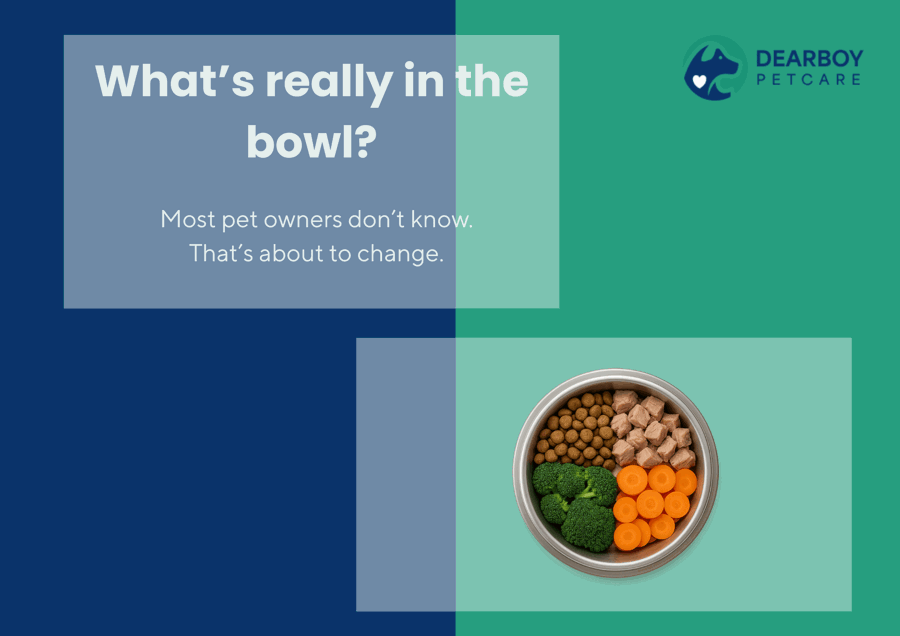
How This Fits with What's Really in the Bowl
Throughout this campaign we have focused on helping owners understand what their dogs are eating and why it matters. Christmas is no exception. While treats and special moments are part of the joy of the season, a dog’s usual complete food remains the foundation of their nutrition. Knowing which festive foods are safe and which should be avoided helps you keep that foundation strong while still enjoying the celebrations.
A Safe and Happy Christmas with Dearboy Petcare
At Dearboy Petcare, we want dogs to enjoy the festive season just as much as their families do, without unnecessary risks or stress. By understanding the foods to avoid, the treats that can be safely enjoyed and the ways to keep your dog comfortable during the celebrations, you can relax knowing they are happy and healthy throughout the holidays.
Merry Christmas and a Happy New Year from everyone at Dearboy Petcare.
*BlueCross.org.uk
**Purina.co.uk
Download our easy to digest fact sheet here.