
A Simple Guide for Dog Owners
When it comes to feeding our dogs, most owners share the same intention – to make the best choices they can. But the world of pet food can feel overwhelming. Packaging is covered in numbers, percentages and technical jargon, and it isn’t always clear how any of it relates to your dog’s health. It’s completely normal to feel unsure about what you’re reading.
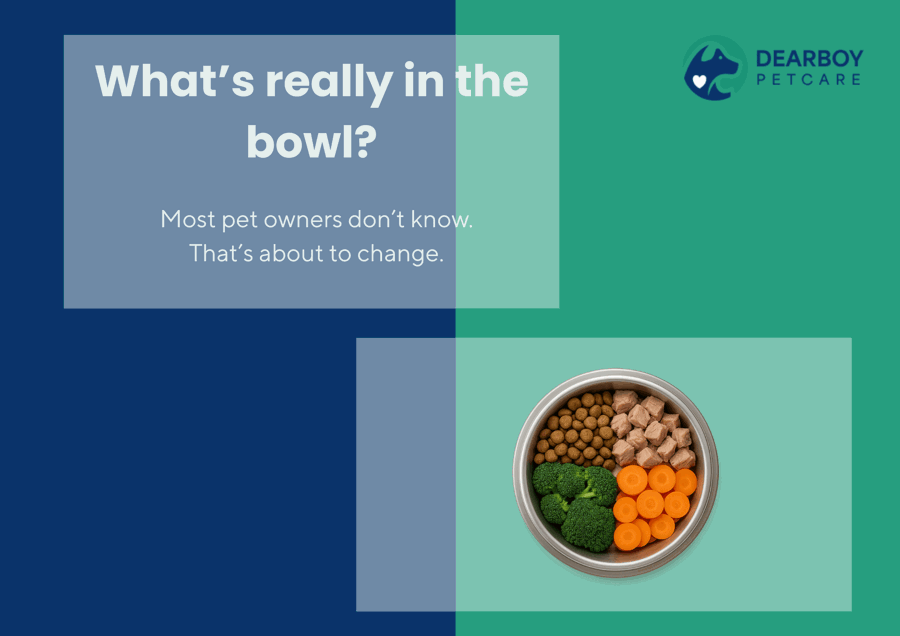
That’s exactly why we created What’s Really in the Bowl, a campaign designed to bring clarity to everyday dog nutrition. Our aim is to make the information on pet food packaging feel less intimidating and far more helpful. We believe that when owners understand what they’re feeding, they feel more confident in the choices they make for their dogs – and that confidence matters, because every bowl you put down is an opportunity to support your dog’s wellbeing.
Why the Label Matters
Every dog-food label contains far more valuable information than anything printed on the front. In the UK and across Europe, many manufacturers follow the FEDIAF “Code of Good Labelling Practice for Pet Food”, which sets out how petfood labels should be designed to give owners clear, consistent and meaningful information. The Code focuses on three main aims: providing accurate details about what the product is and how it should be used, supporting transparency for regulators, and ensuring marketing information does not mislead owners.*
Because this framework is widely used across the industry, most products include key details such as the name and description of the recipe, a full ingredients list in descending order by weight, the nutritional (or “analytical”) breakdown, any additives included, feeding guidelines, manufacturer contact details, a best-before date, batch number and the product’s net weight.
Even with this structure, labels can still feel technical or overwhelming, which is why taking a closer look can make it much easier to compare foods and understand what you’re really feeding your dog.
Understanding the Ingredients List
The ingredients list is one of the most revealing parts of the entire label. Because ingredients must be shown in descending order by weight, the first few items tell you the most about what makes up the bulk of the recipe. Ideally, those first ingredients should be clearly named sources of meat – such as chicken, salmon or beef – along with recognisable foods like vegetables, fruits, sweet potato or whole grains.
When the list relies on vague phrases like “meat and animal derivatives” or broad categories such as “animal by-products,” it becomes much harder to understand where the nutrition is coming from. The same applies to fats: specific terms like “chicken fat” or “salmon oil” provide clarity, whereas generic references to “animal fat” do not. Once you know how to read this section, it becomes one of the easiest ways to judge the quality of a product.#
What the Percentages Really Mean
Percentages on a dog food label might look technical, but they’re simply describing the balance of nutrients in the recipe. Crude protein refers to protein that has been broken down into smaller peptide units, making it easier for dogs to convert into the amino acids they need for development, repair and overall health. Fat contributes to energy as well as skin and coat condition. Fibre plays an important role in digestion. Moisture reflects the water content, which is especially relevant when comparing dry food to wet food.**
Another figure you’ll see is “ash,” a term that often confuses owners. Despite the name, ash is not burnt material – it represents the total mineral content in the food. These numbers provide a useful snapshot, but they don’t reveal the quality of the ingredients supplying those nutrients. That’s why they should always be read alongside the ingredients list, not on their own.**
Additives and What They Mean
Dog food labels also list additives, which are used to support nutrition and to help maintain the quality, safety, texture and flavour of the food. These are shown under the heading “Additives”. Some additives have legally controlled maximum levels, and whenever these are included they must be declared on the label. Others, which do not have legal limits, may still be listed voluntarily by the manufacturer.***
Vitamins A and D are examples of nutrients that must always be declared when added, either under “Additives” as the amount included or within the analytical constituents as the guaranteed level throughout the product’s shelf life. If owners ever have questions about the additives in a specific recipe, they can contact the manufacturer directly with the batch number to get precise details.***
Helping You Feel Confident in Every Bowl
Understanding a dog food label doesn’t have to feel complicated. Once you know which parts matter most – the ingredients, the order they appear in, the meaning behind the percentages and the purpose of additives – the whole label becomes far easier to understand. You’ll find it simpler to compare foods, spot differences in quality and choose something that genuinely feels right for your dog.
That’s the purpose of What’s Really in the Bowl: taking something that once felt confusing and turning it into something clear, empowering and genuinely useful for owners who want to make the best choices for their pets.
*Europeanpetfood.org
**Chewy.com
***UKPetfood.org
Download our easy to digest factsheet here.